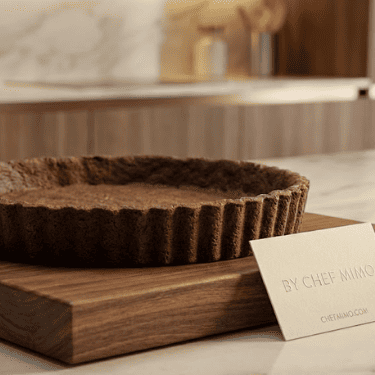
In the world of Italian baking, Pasta Frolla (Shortcrust Pastry) is the undisputed queen of bases. While the classic vanilla version is a staple in every Nonna’s kitchen, the Pasta Frolla al Cacao is its sophisticated, deeply flavorful cousin. This recipe offers a simple yet decadent variation on the traditional white dough by incorporating high-quality bitter cocoa powder directly into the mix.
The result is a pastry that is significantly more aromatic and crumbly (friabile) than the classic version. It brings a bold chocolate depth that transforms simple cookies into gourmet treats and turns ordinary fruit tarts into elegant desserts. The beauty of this dough lies in its versatility; it pairs beautifully with contrasting flavors. Imagine the richness of white chocolate ganache, the brightness of fresh berries, or the classic tartness of apricot jam—a combination that echoes the flavor profile of the legendary Viennese Sachertorte.
This recipe is designed to be quick and foolproof. Whether you are making tart shells, cutout cookies, or a rustic crostata, this dough comes together in minutes. It requires a short rest in the fridge to ensure it handles perfectly, preventing shrinkage in the oven. If you are looking to elevate your baking repertoire with a base that is both visually striking and intensely delicious, this Cocoa Shortcrust is the perfect starting point.
🥣 INGREDIENTS
Here is the table of ingredients (Yields: 1 dough block / Approx. 417 Kcal per portion):
| Component | Quantity | Notes |
| Flour (00 or All-Purpose) | 250 g | |
| Unsweetened Cocoa Powder | 40 g | “Cacao Amaro” – High quality recommended |
| Sugar | 125 g | Granulated |
| Butter | 140 g | Cold |
| Egg | 1 | Medium size |
| Egg Yolk | 1 | |
| Salt | 1 pinch |
👩🍳 PREPARATION STEPS (Step-by-Step)
The steps below follow the exact chronological order found in the original source to ensure they match your images.
Step 1: Mixing the Dry Ingredients
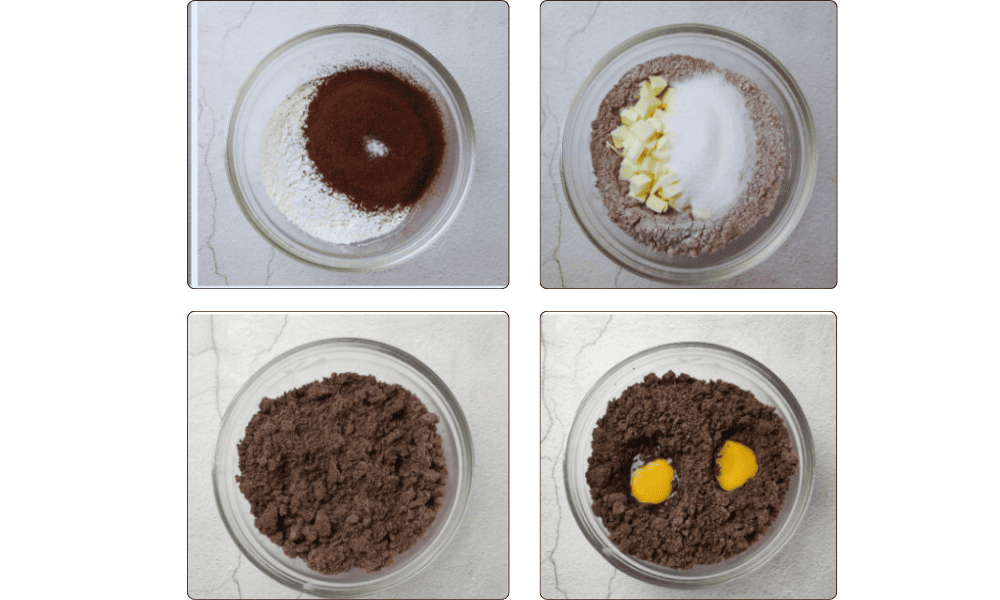
To make the Cocoa Shortcrust Pastry, the first thing you need to do is mix the flour with the bitter cocoa powder in a large bowl.
-
Tip: Choose a high-quality cocoa if you can, because its taste will be fundamental to the success of the pastry.
-
Sift carefully to ensure no lumps form.
Step 2: The “Sanding” Method
Add the cold butter cut into small pieces, the sugar, and the pinch of salt.
-
Start kneading with your hands, pinching the mixture with your fingertips, until you obtain a sandy texture (this technique is called sanding).
-
At this point, add the whole egg and the yolk. Incorporate them quickly without overheating the dough.
Step 3: Resting the Dough
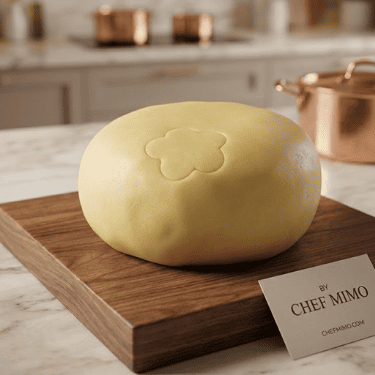
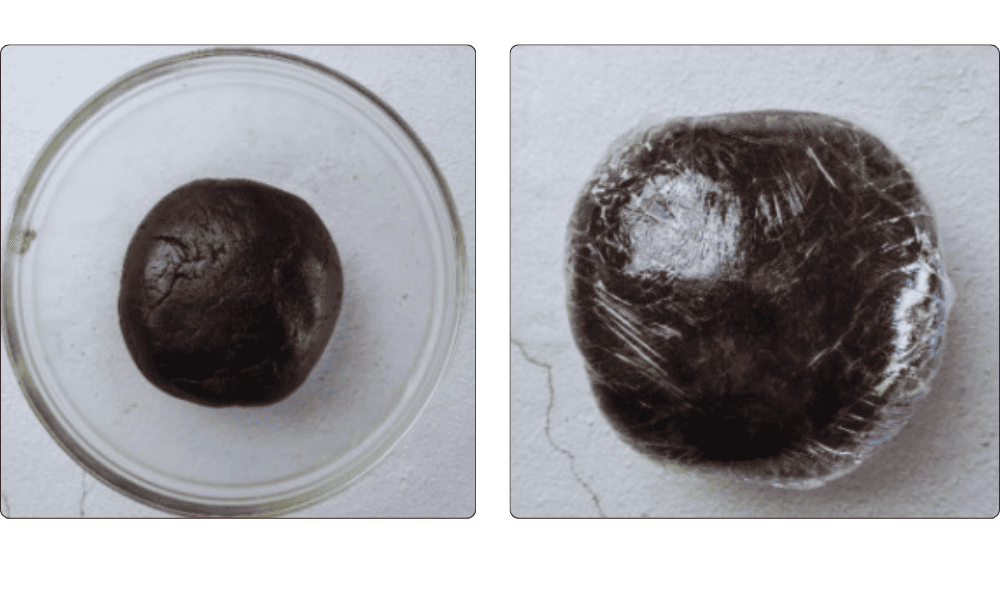
Once you have obtained a homogeneous and well-blended dough, form it into a block (or disc).
-
Wrap it carefully in plastic wrap.
-
Let it rest in the refrigerator for at least 30 minutes. This operation is absolutely necessary to be able to roll out the shortcrust pastry without difficulty later.
Step 4: Final Advice
Two small final tips:
-
To obtain an excellent shortcrust pastry, the recipe notes that ingredients should ideally be well-managed (Note: While Step 2 uses cold butter for texture, ensuring eggs aren’t ice-cold helps emulsification).
-
Remember that you can also prepare this cocoa shortcrust dough in a stand mixer or with the aid of a food processor. However, rest assured, it is very easy to do by hand as well.
Chef’s Guide & Professional Conclusion
Mastering Chocolate Shortcrust: Science, Texture, and Flavor
You have just prepared one of the most useful components in the pastry chef’s arsenal. Pasta Frolla al Cacao is not just “dough with chocolate added”; it is a careful balance of fat, sugar, and cocoa solids. Here is a deep dive into the technical aspects of this recipe to ensure your tarts are always crisp and your cookies never spread.
1. The Role of Cocoa Powder
Cocoa powder is essentially a dry ingredient that behaves similarly to flour, but with a higher fat content (cocoa butter) and no gluten.
-
Absorption: Because cocoa absorbs liquid differently than flour, simply adding cocoa to a vanilla recipe can make the dough dry. This recipe balances the ratio perfectly by using 250g of flour and 40g of cocoa.
-
Quality: The recipe emphasizes “Cacao Amaro” (Bitter Cocoa). Always use unsweetened cocoa powder. Dutch-processed cocoa will give you a darker color and a fudgier flavor, while natural cocoa will be lighter and fruitier.
2. The “Sanding” Technique (Sabbiatura)
In Step 2, the recipe calls for pinching the butter into the flour/cocoa mix to get a “sandy” texture. This is the secret to friability (crumbliness). By coating the flour proteins in fat before adding the liquid (eggs), you inhibit the formation of gluten. This ensures the pastry is tender and crisp, rather than tough or chewy.
-
Temperature: The butter must be cold for this step. If the butter melts during mixing, the flour will absorb it, and the dough will become greasy and tough.
3. Why the Rest is Non-Negotiable
You might be tempted to roll the dough out immediately, but the 30-minute fridge rest in Step 3 is crucial for three reasons:
-
Hydration: It gives the flour and cocoa time to absorb the moisture from the eggs evenly.
-
Solidification: It allows the butter to firm up again, making the dough rollable rather than sticky.
-
Relaxation: It allows the gluten strands that formed during mixing to relax, preventing the pastry from shrinking back when baked.
4. Flavor Pairings
This dough is a powerhouse of flavor. It works best when contrasted with:
-
Tartness: Raspberry, apricot, or orange marmalade.
-
Creaminess: Vanilla pastry cream (Crema Pasticcera), Ricotta filling, or Mascarpone.
-
Sweetness: White chocolate ganache or Dulce de Leche.
5. Troubleshooting
-
If the dough cracks when rolling: It may be too cold. Let it sit on the counter for 5 minutes.
-
If the dough is sticky: It got too warm. Put it back in the fridge for 10 minutes between rolling sheets.
With this recipe in your repertoire, you are ready to create stunning visual contrasts in your baking. Whether used for a lattice-top tart or delicate tea cookies, the Pasta Frolla al Cacao delivers a professional finish with the comforting taste of home. Happy Baking!