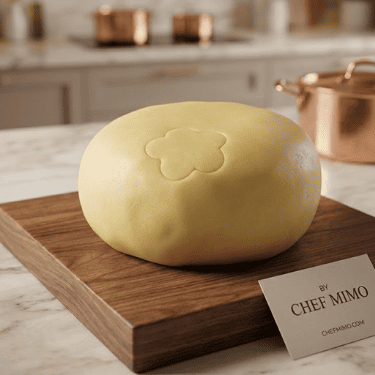
Ovis Mollis is one of the most refined and surprising preparations in the vast repertoire of Italian patisserie. It is a special type of shortcrust pastry that conquers the palate at the very first bite thanks to its unique consistency: soft, incredibly friable, and almost impalpable, melting in the mouth like a sweet cloud. What makes it so different from traditional shortcrust (Pasta Frolla) is an ingredient that might spark curiosity or even skepticism in novice bakers: the hard-boiled egg yolk.
Originating from the traditions of Piedmont and Liguria (Northern Italy), Ovis Mollis was born as an elite pastry, designed for elegant tea cookies and high-end petit fours. Over time, however, it has become a treasured secret for anyone who loves simple, buttery sweets flavored with grace. Its extraordinary friability comes from the perfect combination of soft butter, powdered sugar, and sifted flour, but it is the addition of the cooked yolk—finely mashed or sifted into a powder—that gifts the dough its signature “silky” texture which is impossible to replicate with raw eggs.
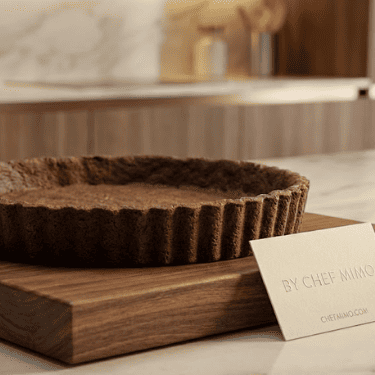
The dough creates a velvety, smooth ball that is worked quickly and delicately. After a brief rest in the fridge, it lends itself to being shaped into a thousand forms: the famous flower-shaped Canestrelli dusted with sugar, small thumbprint cookies filled with apricot jam, or delicate tart shells. When baked, Ovis Mollis transforms into golden, fragrant biscuits with a yielding texture, perfect for ending an important lunch or accompanying an afternoon espresso. It is a recipe that proves how the most delicious things often arise from the meeting of simple ingredients and ancient gestures.
🥣 INGREDIENTS
Here is the table of ingredients (Yields: Approx. 446 Kcal per portion / 1 dough block):
| Component | Quantity | Notes |
| Hard-Boiled Egg Yolks | 3 | From medium eggs |
| Flour (00 or All-Purpose) | 200 g | |
| Potato Starch | 100 g | Fecola di patate |
| Powdered Sugar | 100 g | Confectioners’ sugar |
| Vanillina | 1 sachet | Or 1 tsp Vanilla Extract |
| Salt | 1 pinch | |
| Butter | 150 g | Cold from the fridge |
🥣 TOOLS
-
1 Mixing Bowl
-
1 Small Pot (for boiling eggs)
-
1 Fine Mesh Sieve (Crucial for the yolks)
👩🍳 PREPARATION STEPS (Step-by-Step)
The steps below follow the exact chronological order found in the original source to ensure they match your images.
Step 1: Boiling the Eggs
The preparation of Ovis Mollis Pastry is very easy and fast.
-
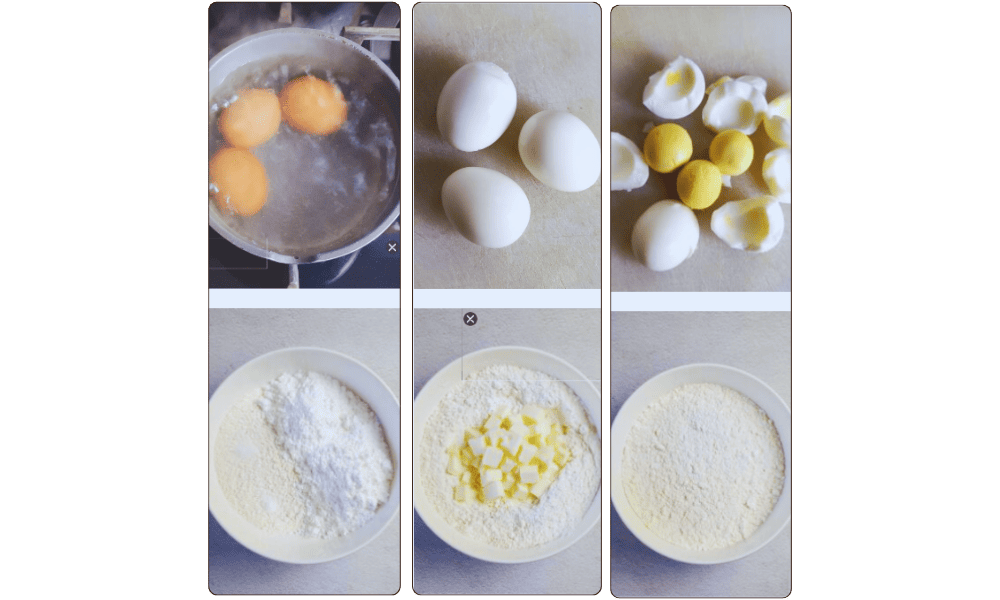
Place the eggs in a small saucepan and cover them with cold water.
-
Transfer to the stove and boil them for 10 minutes from the moment the water starts boiling.
-
Cool them under cold running water and shell them, keeping the yolks whole. (You can eat the whites or use them in a salad; we only need the cooked yolks).
Step 2: Mixing Dry Ingredients
-
In a bowl, place the sifted flour and potato starch, the powdered sugar, the vanillina, and a pinch of salt.
-
Note: The presence of potato starch guarantees the consistency that “melts in your mouth”: do not substitute it.
-
Step 3: The “Sanding” (Sabbiatura)
-
Mix the powders together.
-
Add the cold butter cut into cubes.
-
Work everything with the tips of your fingers until you obtain a sandy/crumbly mixture.
Step 4: Adding the Yolks & Kneading
-
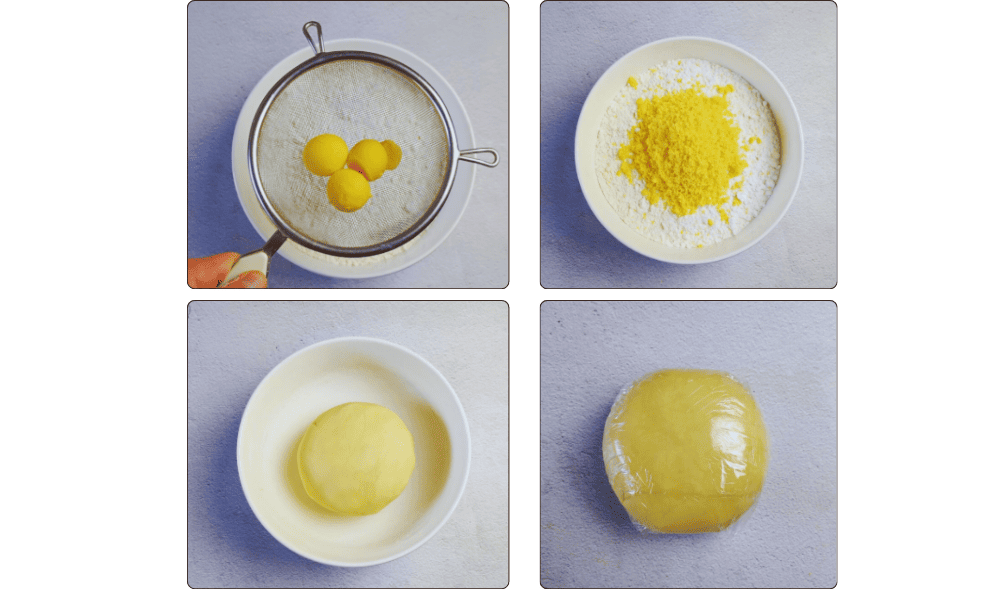
Add the hard-boiled yolks by passing them through a sieve (push them through the mesh to create a fine yellow powder).
-
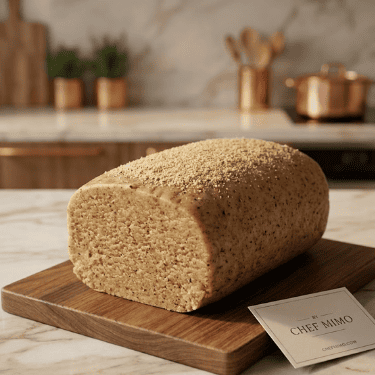
Knead quickly until you form a smooth and homogeneous block.
-
Tip: Do not overwork the pastry to avoid heating the butter. You can also make Ovis Mollis with a stand mixer using the paddle attachment.
-
Step 5: Resting
-
Wrap the dough in plastic wrap (cling film).
-
Let it rest in the fridge for at least 1 hour.
Step 6: Usage & Storage
-
When you are ready to use it, work it briefly with your hands to soften it slightly before rolling.
-
Storage: Ovis Mollis dough can be kept raw in the fridge for 2–3 days or it can be frozen.
Chef’s Guide & Professional Conclusion
The Science of “Ovis Mollis”: Why Boiled Eggs Make Better Cookies
You have just unlocked a technique that separates home bakers from pastry chefs. The name Ovis Mollis derives from Latin, roughly translating to “soft egg” or implying a texture as soft as sheep’s wool (ovis). But why does using a hard-boiled yolk result in such a superior texture compared to a raw one? Here is the science behind this magical dough.
1. Moisture Control and Gluten
The enemy of a tender cookie is gluten development. Gluten forms when flour proteins (glutenin and gliadin) meet water and are agitated. Raw egg yolks contain water (about 50%). By boiling the egg first, we coagulate the proteins and bind that water within the yolk structure. When you crumble the cooked yolk into the flour, you are adding rich fat and flavor without adding free water that would activate the gluten. The result? A cookie with zero elasticity and maximum crumble—a texture that literally dissolves on the tongue.
2. The Importance of Potato Starch
The recipe emphasizes not skipping the Fecola di patate (Potato Starch). This ingredient has a dual function. First, it “cuts” the flour, lowering the overall protein percentage of the mix. Second, potato starch has a unique granular structure that absorbs moisture and gelatinizes differently than cornstarch or flour, contributing to that velvety, “sandy” mouthfeel that Ovis Mollis is famous for.
3. The Sifting Technique
Step 4 involves passing the yolks through a sieve. This is non-negotiable. If you simply mash the yolks with a fork, you will end up with tiny lumps of rubbery egg in your cookies. By pushing them through a fine mesh, you atomize the yolk into a fine, fluffy powder that incorporates seamlessly into the butter and sugar, ensuring a uniform golden hue and texture throughout the dough.
4. What to Bake with Ovis Mollis?
This dough is too fragile for complex lattice tarts, but it is perfect for:
-
Canestrelli: The iconic flower-shaped Italian cookies dusted generously with powdered sugar.
-
Occhi di Bue (Bull’s Eyes): Sandwich cookies filled with apricot jam or Nutella.
-
Tartellette: Small tart shells filled with chocolate ganache (bake the shells blind first).
5. Baking Tips
Ovis Mollis cooks faster than traditional shortcrust because it has less moisture to evaporate. Bake at 170°C (340°F) and keep a close eye on it. The cookies should remain pale gold; if they turn dark brown, the delicate butter flavor will be compromised.
By mastering Ovis Mollis, you have added a sophisticated, historical, and scientifically fascinating dough to your baking repertoire. Enjoy the “melt-in-your-mouth” magic!