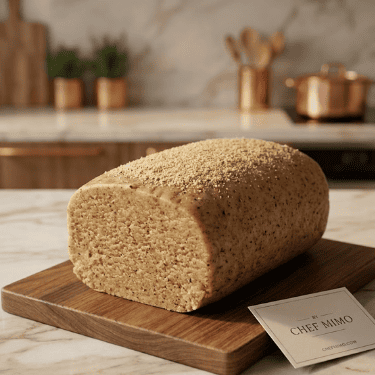
The Pasta Frolla alle Nocciole (Hazelnut Shortcrust Pastry) is a rich and intensely fragrant base used to create delicious traditional tarts and cookies, or innovative treats limited only by your imagination. While the classic butter shortcrust is a staple in every Italian kitchen, adding hazelnuts transforms the dough into something truly special. It offers a deeper, earthier flavor profile and a texture that is famously “short” and crumbly, elevating even the simplest jam tart into a gourmet dessert.
Despite its sophisticated taste, this pastry is prepared and worked in a very simple way. It is extremely ductile and versatile, adapting wonderfully to indulgent fillings based on chocolate, Nutella, fruit jams, or custards. In short, if you wish to introduce a bit of innovation to your baking while playing it safe with a guaranteed crowd-pleaser, this is the perfect crust. It bridges the gap between the rustic comfort of a grandmother’s cookie jar and the refined elegance of a patisserie window display.
Naturally, to obtain the best result, it is useful to seek out high-quality hazelnuts that can release all their extraordinary aroma during baking. While you can find many ready-made hazelnut flours of good quality, if you have the opportunity, I highly recommend preparing the flour yourself by toasting and grinding whole nuts (instructions are included in the recipe). If you want the absolute best, look for Italian hazelnuts, specifically those from the Langhe region in Piedmont or the Nebrodi mountains in Sicily—these are products of extraordinary excellence that elevate a simple dough into an unforgettable experience.
🥣 INGREDIENTS
Here is the table of ingredients (Yields: 1 dough block / Prep time: 10 mins):
| Component | Quantity | Notes |
| Flour (“00” or All-Purpose) | 250 g | |
| Hazelnut Flour | 100 g | Finely ground hazelnuts |
| Sugar | 100 g | Granulated |
| Salt | 1 pinch | |
| Butter | 140 g | Cold from the fridge |
| Egg | 1 | Medium size |
👩🍳 PREPARATION STEPS (Step-by-Step)
The steps below follow the exact chronological order found in the original source to ensure they match your images.
Step 1: Mixing the Dry Ingredients
The preparation of the Hazelnut Shortcrust Pastry is truly very simple and fast.
-
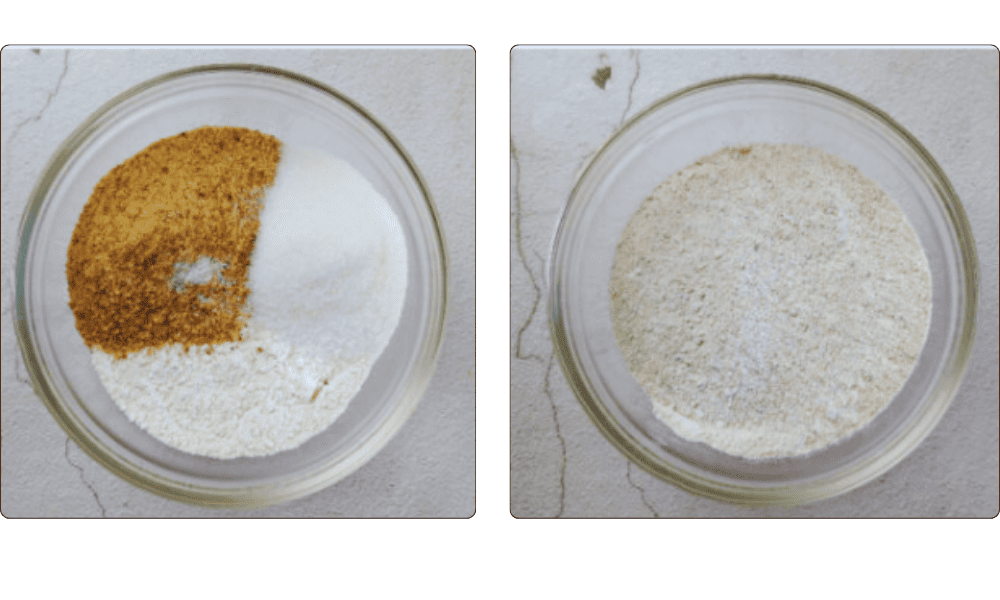
In a bowl, combine the flour, the sugar, the hazelnut flour, and a pinch of salt.
-
Make your own flour (Optional): You can make the hazelnut flour yourself by toasting peeled hazelnuts in the oven for 10 minutes at 180°C (350°F). Then, let them cool and grind them together with a spoonful of sugar in a food processor/mixer.
-
Stand Mixer Option: If you don’t want to get your hands dirty, you can knead everything with a stand mixer using the paddle attachment (leaf hook).
 Step 2: Adding Butter and Egg
-
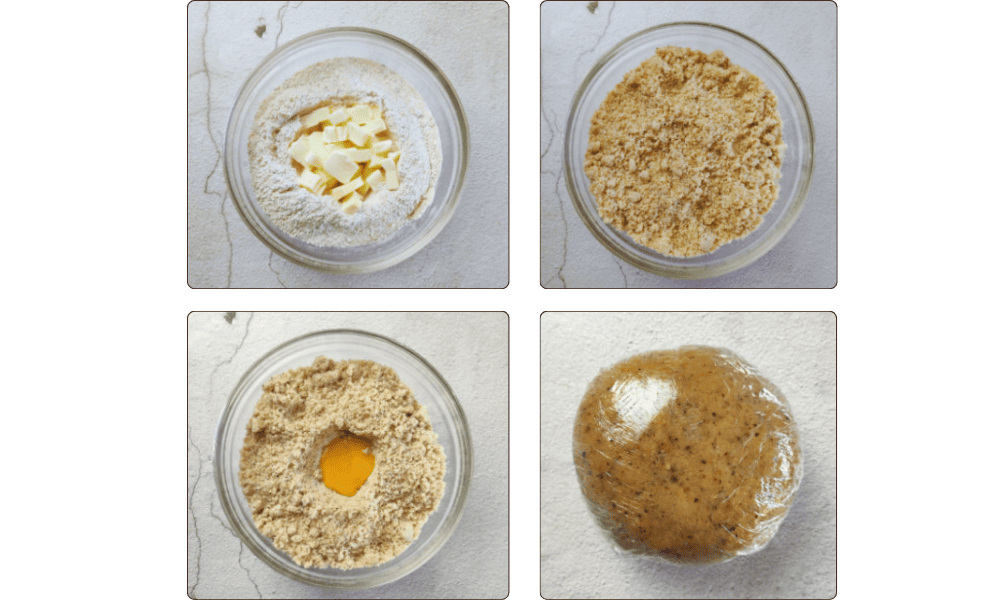
Add the cold butter cut into small pieces and incorporate it quickly, without overheating it too much, until you obtain a sandy mixture.
-
Add the egg and mix until you obtain a compact dough.
Step 3: Resting
-
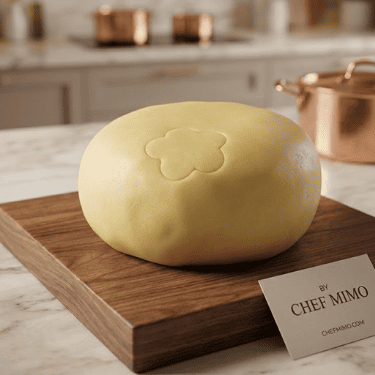
Form the dough into a block (or disc).
-
Wrap it in plastic wrap (cling film) and place it in the fridge to firm up for at least 30 minutes.
Step 4: Rolling and Baking
-
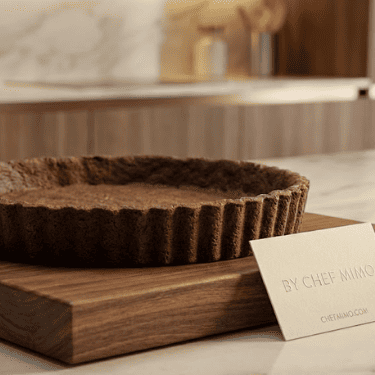
When you are ready to use it, roll it out on a lightly floured surface, or between two sheets of parchment paper, to a thickness of 4 mm.
-
Use it to create cookies and tarts with an unmistakable taste.
Step 5: Storage (Conservazione)
If you do not use it immediately, you can keep it in the fridge for 3 days or in the freezer, well-sealed.
Chef’s Guide & Professional Conclusion
Mastering Hazelnut Shortcrust: A Guide to Texture and Flavor
You have just unlocked one of the secrets of Northern Italian patisserie. The addition of nuts to pastry dough is not just about adding flavor; it fundamentally changes the chemistry and texture of your bake. Here is a professional breakdown to help you master this recipe, understand the science behind it, and ensure your tarts and cookies are always bakery-quality.
1. The Science of Nut Flours
Replacing a significant portion of wheat flour (100g in this recipe) with hazelnut flour reduces the overall gluten content of the dough. Gluten is the protein network that makes dough chewy—great for bread, but undesirable for tender tarts. By interrupting the gluten network with the natural oils and proteins found in hazelnuts, you ensure a texture that is incredibly “short” (friable) and tender. This creates a melt-in-your-mouth sensation that plain flour crusts simply cannot replicate.
2. Toasting is Key
The recipe note about toasting the hazelnuts is the most important tip here. Raw hazelnuts have a mild, “green” flavor. Toasting them (10 minutes at 350°F/180°C) triggers the Maillard reaction, releasing essential oils and bringing out that deep, roasted aromatic profile (think of the smell of roasted coffee or cocoa).
-
Pro Tip: If grinding your own nuts, always pulse them with a tablespoon of the sugar from the recipe. The sugar crystals act as an abrasive and absorb the released oil, preventing the nuts from turning into hazelnut butter (paste) in the blender. You want a fine powder, not a wet paste!
3. Temperature Control is Critical
As with all Pasta Frolla, heat is the enemy. You must use cold butter. If the butter melts during the mixing stage (Step 2), it will be absorbed by the flour rather than coating it. This results in a greasy, tough dough rather than a flaky one. If you keep the butter solid until it hits the oven, the water inside the butter will evaporate during baking, creating tiny pockets of steam that result in flaky layers. If your kitchen is hot, chill your bowl and flour before starting.
4. Flavor Pairings
This dough is a powerhouse of flavor and pairs best with robust fillings:
-
Chocolate: This is the classic pairing. Nutella, dark chocolate ganache, or chocolate custard work perfectly.
-
Autumnal Fruits: Pears, figs, and plums have an earthiness that complements the hazelnuts beautifully.
-
Coffee: A tart filled with espresso-infused pastry cream and this hazelnut crust is a sophisticated dessert perfect for dinner parties.
5. Troubleshooting
-
Dough Cracking? Nut doughs are naturally more fragile than plain doughs due to lower gluten. If it cracks while rolling, simply patch it together with your fingers. The high fat content makes it very forgiving and seamless once baked.
-
Too Sticky? Roll it out between two sheets of parchment paper as suggested in Step 4. This prevents you from adding too much extra flour, which would dry out the cookies and dilute the hazelnut flavor.